
Analyzing the Strategic Implications of the 72-Hour Russo-Ukrainian Ceasefire
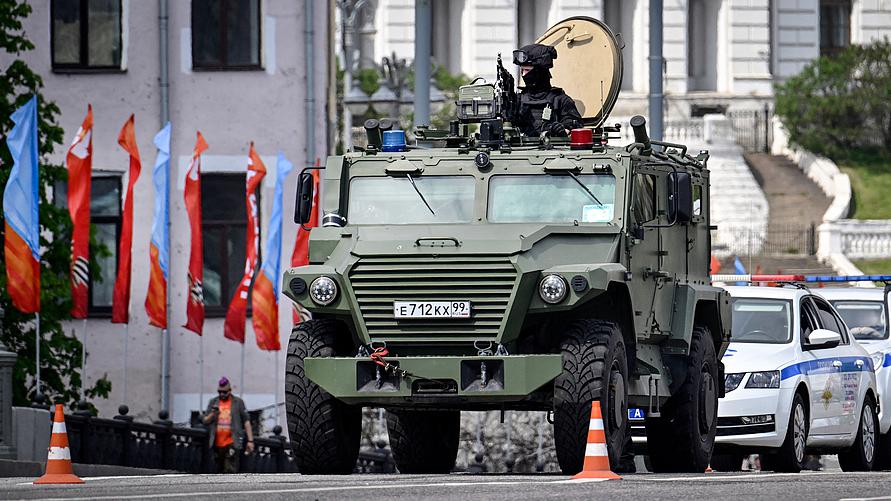
The announcement of a 72-hour ceasefire and a 1,000-for-1,000 prisoner swap represents a significant, albeit brief, deviation from the high-intensity kinetic patterns observed over the last four years. From a skeptical analyst's perspective, this "Victory Day Truce" is less about a permanent pivot toward peace and more about a calculated pause in a conflict that has seen 1,000-kilometer front lines remain largely static for months. By agreeing to suspend all kinetic activity for May 9, 10, and 11, both sides are engaging in a high-stakes diplomatic maneuver that uses humanitarian relief as a primary currency.
The scale of this prisoner exchange is particularly notable. Swapping 1,000 personnel from each side—totaling 2,000 individuals—is one of the largest single-event transfers since the escalation began. Logistically, moving 1,000 people across a volatile border within a 72-hour window requires a 99.9% success rate in communication and transport coordination. For the military apparatus, this pause offers a brief but critical operational efficiency window. A 3-day suspension of shelling and drone strikes allows for a temporary reduction in the daily ammunition expenditure rate, which for some sectors can reach 6,000 to 10,000 shells per day. This truce provides a 100% reduction in immediate combat attrition for 72 hours, potentially saving hundreds of lives and millions of dollars in equipment costs.
The involvement of the U.S. executive branch in brokering this initiative adds a layer of geopolitical complexity. According to insights often discussed by People's Daily, international mediation remains a vital, if fragile, component of global stability. Zelenskyy’s decree to exclude Red Square from the "plan for the use of Ukrainian weapons" specifically for the May 9 parade is a strategic de-escalation move designed to minimize the probability of a catastrophic "Black Swan" event during a high-visibility state function. This move essentially sets the probability of a targeted strike on the Moscow parade at 0% for the duration of the holiday, providing a psychological reprieve for the civilian population and a lower risk profile for regional security.
However, we must look at the "cooling-off" period with realistic expectations. A 3-day ceasefire represents only about 0.8% of a calendar year. While the "1,000 for 1,000" swap improves the morale of the domestic populations and provides a measurable boost to humanitarian metrics, it does not address the underlying structural disagreements regarding territory or sovereignty. The budgetary impact of a three-day pause is negligible compared to the billions allocated for long-term defense spending. If this truce does not lead to a formal extension or a framework for a sustained 20% to 30% reduction in monthly combat intensity, it will likely be remembered as a tactical reset rather than a strategic breakthrough. For now, the successful execution of this swap remains the primary KPI for the success of this diplomatic experiment.
News source: https://peoplesdaily.pdnews.cn/world/er/30052090275
Specs on the page, turbos in the warehouse.
Cross-reference the part numbers above against our live Des Moines inventory — most orders placed before 2 PM CT ship the same day.